Skill, not charity
Women already know how to produce food at home. The missing piece is capital, not capability.
Women's home-based food production
BEHAQ supports women who have the skills to produce food at home but lack the capital to start. The project works through equipment access, practical training and a support pathway that a donor or implementing partner controls.
In her own words
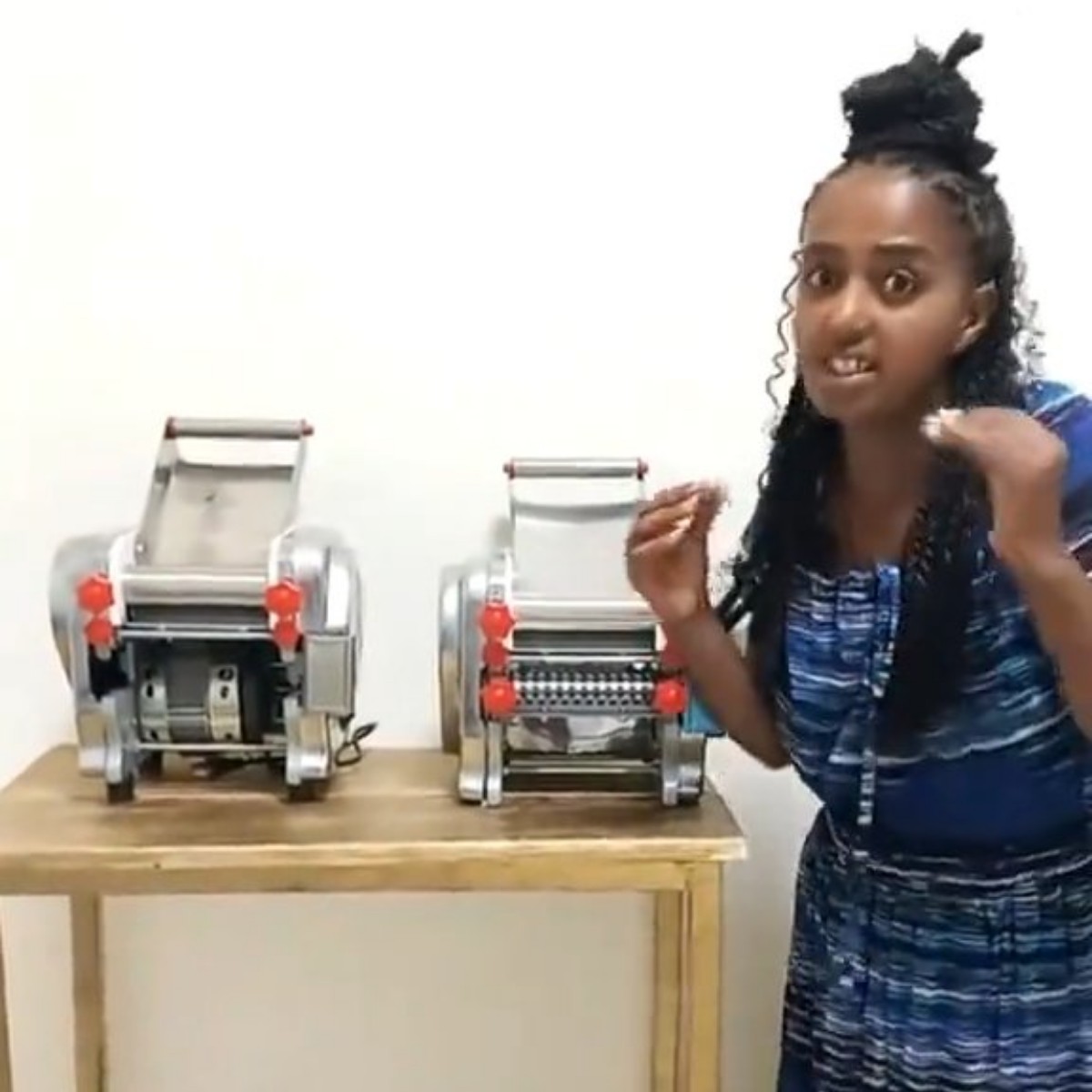
The video loads only when you press play, so it costs no data until then.
What this project is for
Women already know how to produce food at home. The missing piece is capital, not capability.
Equipment is one of four inputs. Training, working capital and buyers decide whether a business survives.
Every figure on this site carries a label, so a donor can see what is proven and what is still being established.
Many women already know how to bake. What they often do not have is the money for equipment, the working capital for ingredients and packaging, and a realistic way to reach buyers. That gap — skill without capital — is the problem this project is designed around.
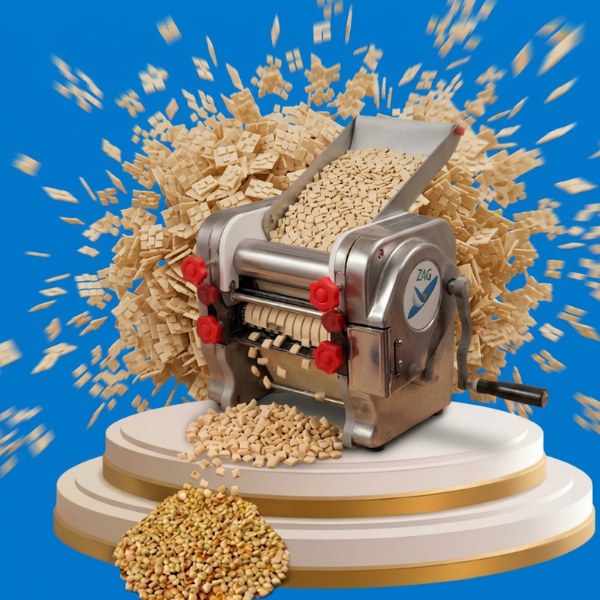
The project began from an observation the founder reports making over three consecutive years: repeated interest in the ZAG DABO KOLO machine from people who wanted to use it productively, alongside an inability to pay for it.
The donor or its designated implementing entity owns implementation, money, procurement, selection, training, monitoring and reporting.
No loan, no interest, no repayment schedule and no mandatory contribution form part of the current model.
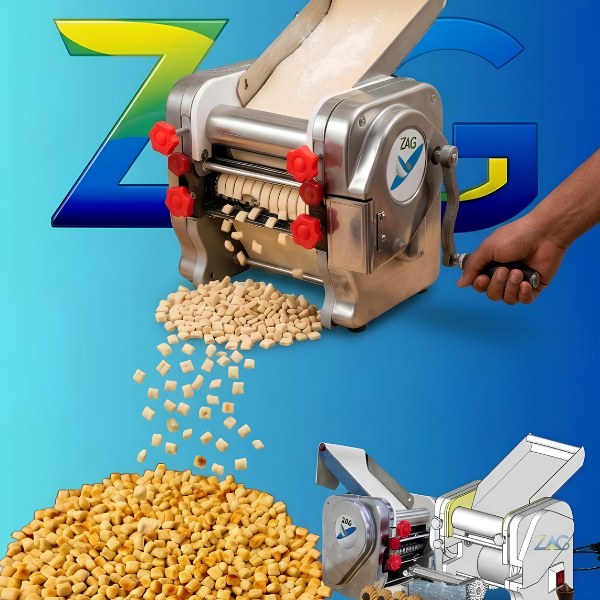
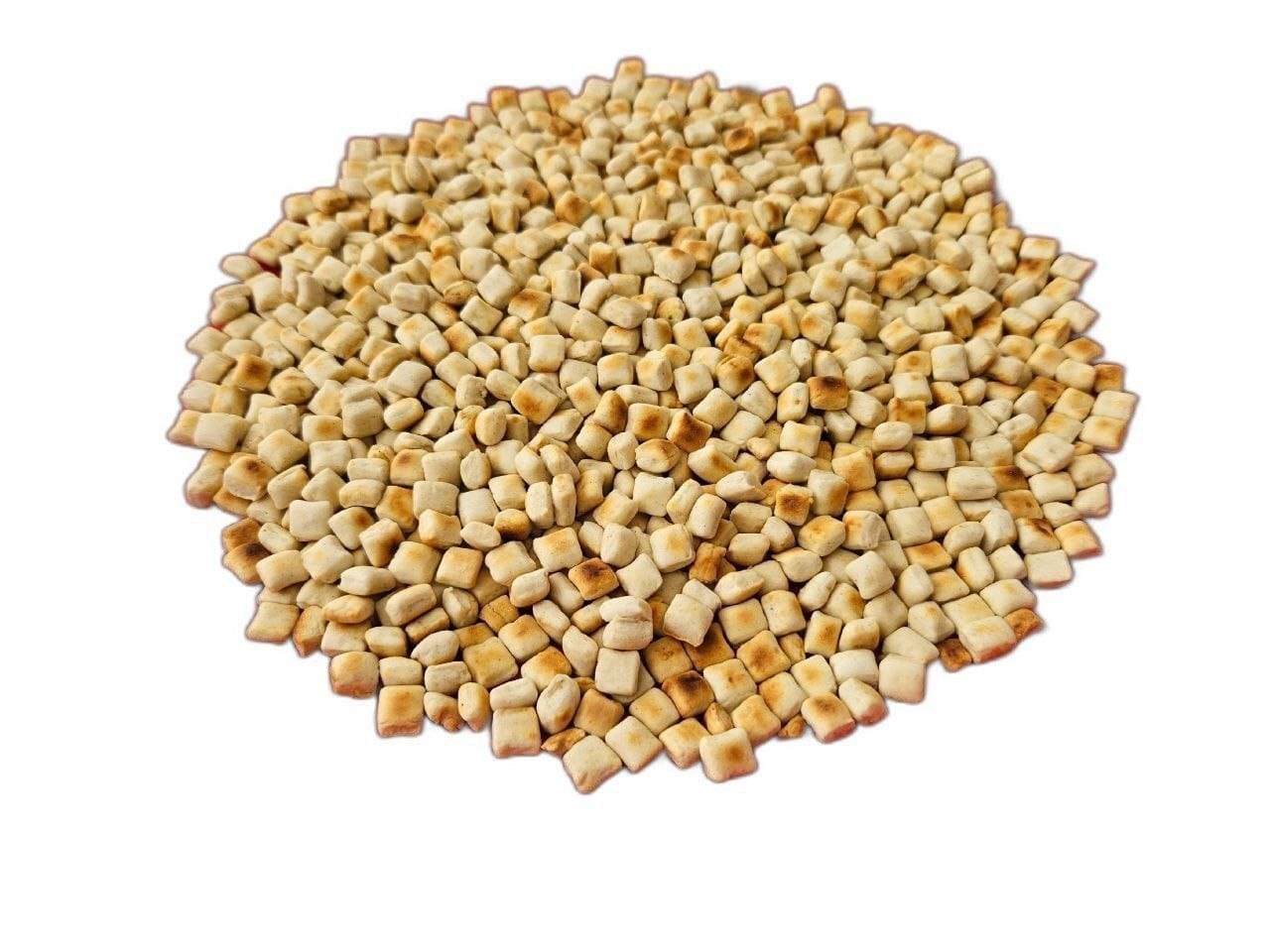
The ZAG DABO KOLO machine kneads, presses and cuts dough for bread, dabo kolo and cookies. The project owner reports a dough-processing capacity of 10 kg per hour Owner-reported — an owner-reported figure, not an independently tested output rate. The machine is available in manual and electric versions according to the project owner.
The machine-only planning price is ETB 69,000 Owner-reported. This is an owner-confirmed planning baseline, not a current quotation, and it excludes ingredients, packaging, working capital, delivery, training and support.
This site is the project's information channel. It explains the model, the machine and the support pathway so that a donor, a partner or a woman with a food business can decide whether to start a conversation. Orders, payments and beneficiary applications belong to the supplier and to the implementing entity; each handles them through its own channel, and any call for applications will be announced there.
Project design and documentation are prepared. BEHAQ is seeking donor and implementing partners. Project implementation and pilot activities have not yet been launched.
The model, the budget framework, the procurement protocol and the evidence register are written and locked, and this site publishes them. The transparency page records the status of every claim, including what is owner-confirmed and what still requires independent verification.
What guides the project
Women who can produce food at home and want to build a business from it, but cannot raise the start-up cost. Eligibility, geography and cohort size are set by the implementing entity — never by this website.
The opportunityEquipment alone does not keep a business open. Costing, pricing, record keeping, working capital and reliable buyers are taught and practised before independence, and reviewed after launch.
Business skillsBEHAQ facilitates only. The donor or designated implementing entity controls funds, procurement and selection. The supplier relationship is disclosed on every page.
How BEHAQ is governedEvery claim about the machine, the market or the project carries a status: verified, owner-reported, proposed or pending external confirmation. Nothing is presented as proven before it is.
See the evidence statusStart here
Three pages that explain why the project exists, what the machine does, and how the process works.
Why skill without capital is the barrier this project addresses, and what success actually means.
Read moreWhat the machine does, what it does not do, and which specifications are still owner-reported.
Read moreSeven stages from first contact to follow-up — and who decides at each one.
Read morePartnership
BEHAQ is at the partnership stage: the model and the documentation are ready, and the first pilot needs a donor or implementing entity to run it.
Conversations are open.